Contents
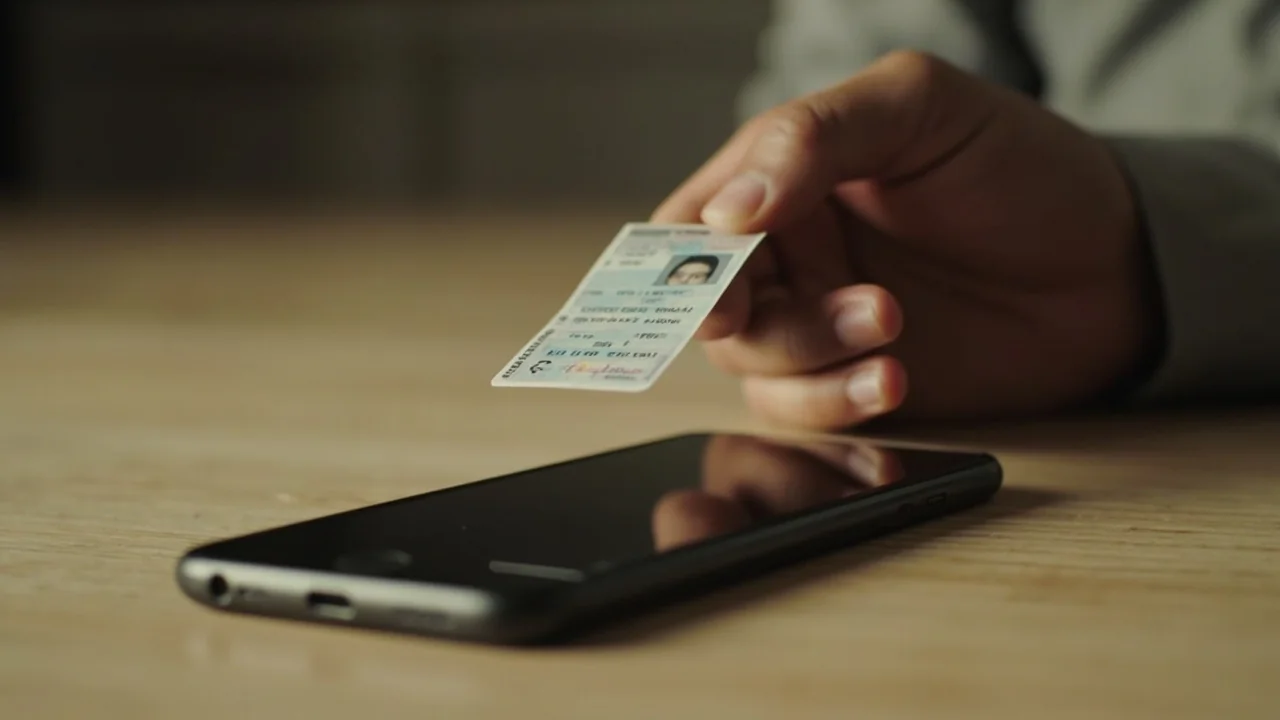
The four documents
PAN for tax purposes, Aadhaar or proof of address for identity, a cancelled cheque or recent bank statement for the cashier, and a selfie holding the Aadhaar or PAN card. Some reviewed platforms add a fifth: a utility bill (water, electricity, gas, or broadband) less than three months old.
Use DigiLocker where supported
If your reviewed platform supports DigiLocker for Aadhaar verification, use it. The verification is automated and resolves in roughly one minute; the alternative (uploading a scanned Aadhaar) is manual and resolves in about three hours on the desks we have logged.
Document-by-document turnaround
| Document | Auto / Manual | Median | Slowest case |
|---|---|---|---|
| PAN | Auto / manual | 5 min | 2 h |
| Aadhaar | Auto (DigiLocker) | 1 min | 3 h |
| Proof of address | Manual review | 12 h | 36 h |
| Cancelled cheque | Auto (IFSC match) | 5 min | 1 d |
| Selfie holding card | Manual review | 15 min | 6 h |
Bank-side things you cannot control
The banker's window matters. Outgoing payment queues at most Indian banks pause overnight and slow on weekends; this is the single biggest reason a withdrawal that started at 18:00 IST clears at 10:00 the next morning. IFSC mismatches between the cancelled cheque and the cashier entry are the second biggest.
Withdrawal timing after KYC
Most reviewed platforms release the first withdrawal after KYC is complete. Subsequent withdrawals clear in the cashier's median withdrawal time (UPI about four hours, netbanking about fourteen hours, card about a day, wallet about thirty minutes. The Slots Studio cashier ledger is updated every Friday.
What we publish on
We publish the median turnaround per document per platform, the median withdrawal time and any incident notes from the past quarter. If your reviewed platform is not on the list, please drop us a note at customer care) we will log it.
The documents the KYC step usually asks for
The KYC step on a reviewed platform usually asks for a government-issued photo ID, a recent address proof, and a payment-method proof. The first is typically an Aadhaar card, a passport, a voter ID, or a driving licence. The second is typically a utility bill no older than three months, a bank statement, or a rental agreement. The third is typically a UPI screenshot, a bank passbook page, or a card statement with the sensitive digits masked.
The platform masks the sensitive digits on its own. The reader does not need to mask the digits manually; the platform's upload field does the masking automatically. Uploading a fully unmasked card is unnecessary and adds a small risk to the reader's own record.
Once the KYC documents are uploaded, the verification window is usually one to seventy-two hours. If the verification fails, the platform's customer-care team usually names the exact document that failed and the reason. The Slots Studio desk has logged accounts that took two KYC submissions to clear; the second submission is faster than the first because the platform surfaces the missing piece.